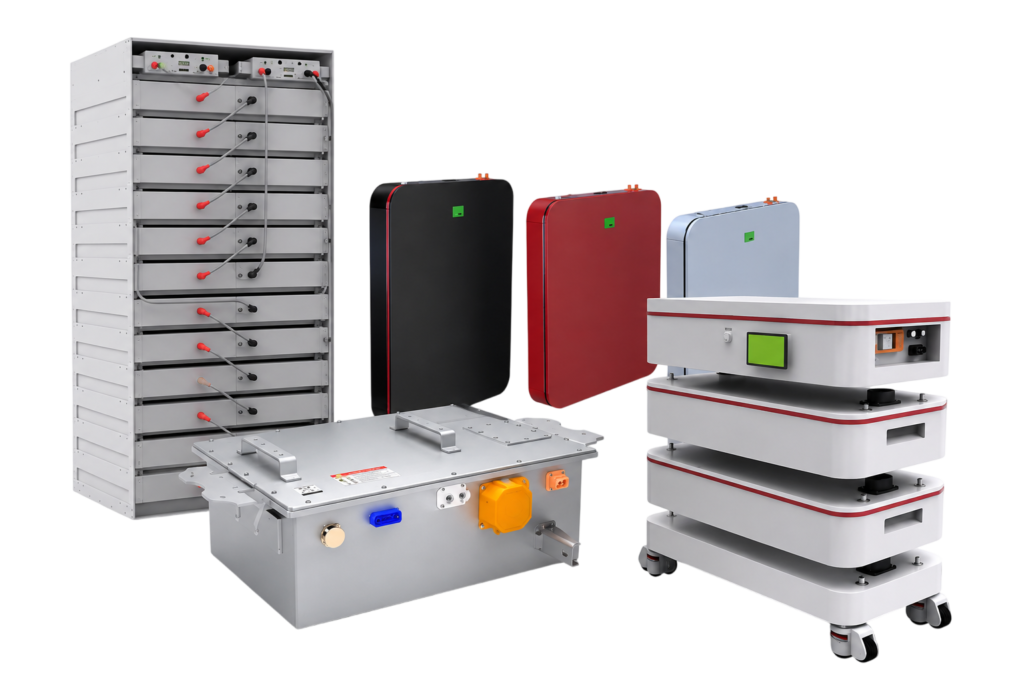
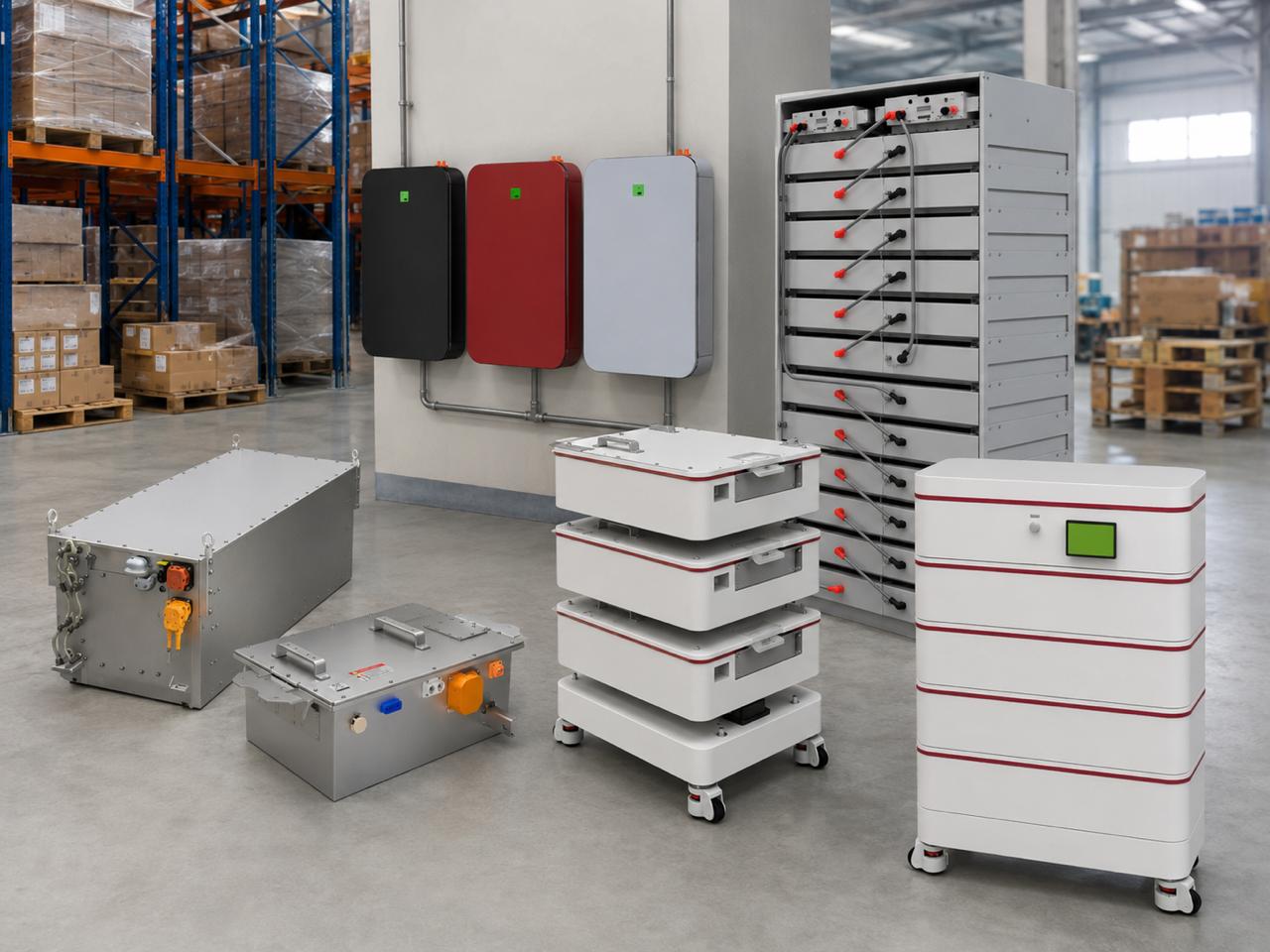
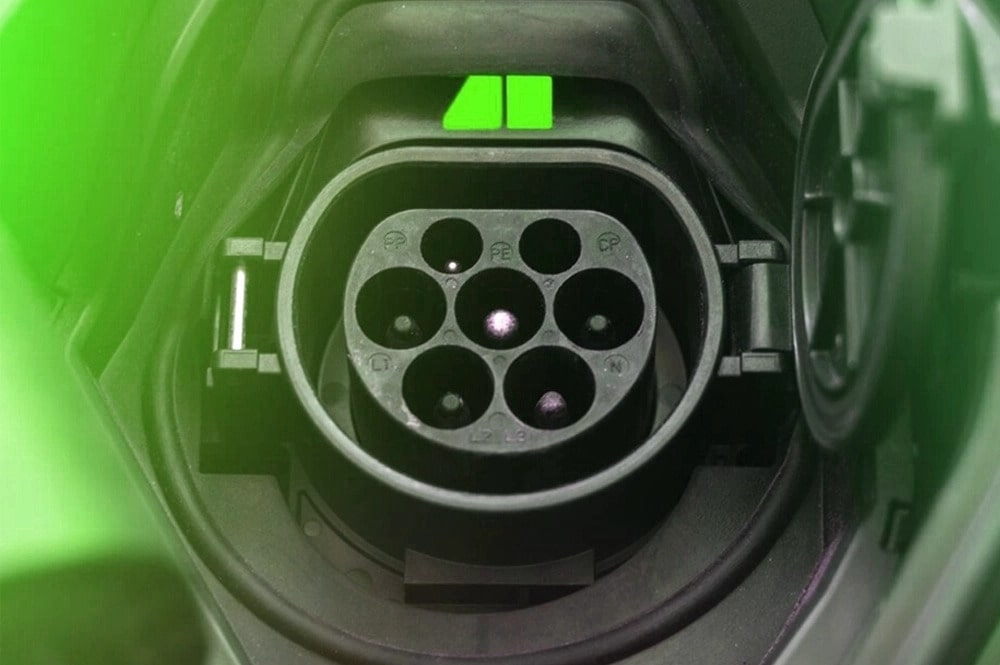
HPION offers custom lithium-ion battery solutions designed around specific client requirements, vehicle applications, machinery needs, and operating conditions.
HPION offers custom lithium-ion battery solutions designed
around specific client requirements, vehicle applications,
machinery needs, and operating conditions.
These battery systems can be developed for electric vehicles,
renewable energy applications, work machinery, specialized
vehicles, and other use cases where safe, efficient, and
application-specific energy storage is required.
The solutions can be tailored based on important project
factors such as battery capacity, voltage, charging time,
environmental conditions, energy management needs, and
overall system performance.
Application Specific
Battery systems developed around the requirements
of each individual application.
Flexible Architecture
Capacity, voltage, charging and energy management
can be tailored to project needs.
Safe & Efficient
Engineered for reliable energy storage and
application-specific performance.
Engineering Focus
Designed for Vehicles,
Machinery & Energy Systems
HPION’s lithium-ion battery solutions support a wide
range of applications, including vehicle categories
such as N1, N2, N3, M1, M2, and M3, along with work
machinery and specialized electric systems.
The battery development process requires technical
expertise, careful design planning, and advanced
engineering tools. Each system is shaped around the
final application to ensure the battery architecture,
cell selection, and energy management approach match
the required use case.
Compliance-Aware Development
Where applicable, battery systems can be
developed with compliance requirements such
as UN ECE R100 and R10 regulations in mind.
Supported Application Categories
N1 Vehicles
N2 Vehicles
N3 Vehicles
M1 Vehicles
M2 Vehicles
M3 Vehicles
Work Machinery
Electric Systems
Our Process
From Requirement Analysis
to Production
HPION follows a structured battery development process
to turn project requirements into practical lithium-ion
battery systems.
01
Consultation & Requirement Analysis
The process begins with understanding the client’s
needs, including capacity, voltage, charging time,
usage conditions, and environmental requirements.
02
Conceptual Design
Engineers create the initial battery design,
including cell type, battery architecture,
system layout, and energy management approach.
03
Simulation & Analysis
Before prototyping, simulations are used to evaluate
performance, study different operating conditions,
and optimize battery parameters.
04
Prototyping & Testing
A prototype is developed and tested for electrical
performance, durability, safety, and suitability
under real operating conditions.
05
Optimization & Customization
Based on test results, the battery design is
refined to match the specific application and
performance expectations.
06
Production & Quality Control
After final approval, the battery moves into
production with quality control checks to support
safety, performance, and long-term usability.
Have a Custom Battery Requirement?
Discuss your application and battery requirements
with the HPION team.